

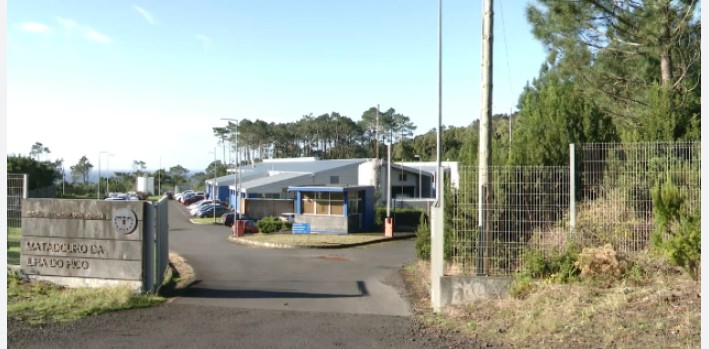
The Matadouro da Ilha do Pico will become the testing ground for an ambitious pilot project focused on decentralized green hydrogen production, marking a significant step in the Azores’ broader transition toward renewable energy and circular economic models.
The initiative, developed under the LIFE IP AGRILOOP program, carries a dedicated investment of €4.2 million and is scheduled to run between 2026 and 2029. Its primary objective is to evaluate both the technical and economic viability of producing clean energy and fuel for self-consumption using renewable sources available within the region.
The project is the result of a partnership between the Secretaria Regional da Agricultura e Alimentação and the Direção Regional de Energia (DRE). The technology relies on water electrolysis powered by renewable and locally sourced energy systems, including wind power, photovoltaic solar energy, and residual forest biomass.
Officials say the long-term goal extends far beyond the Pico facility itself. The knowledge and operational experience generated through this pilot unit are intended to serve as a model that can later be replicated in other slaughterhouses and agro-industrial infrastructures across the Azores, helping strengthen regional energy autonomy and reduce dependence on imported fossil fuels.
The initiative forms part of the broader LIFE IP AGRILOOP Integrated Strategic Project, approved by the European Union with a record overall investment of €26.3 million, 60 percent of which is co-financed through European funding mechanisms. The program was designed to address long-standing environmental and structural challenges facing the agricultural and forestry sectors of the Azores, combining sustainability goals with practical economic applications.
António Ventura, Regional Secretary for Agriculture and Food, described the initiative as a major step forward in agricultural innovation and circularity.
“We are taking significant steps in innovation and circularity within agriculture, finding solutions to challenges that today affect humanity as a whole,” Ventura stated, adding that the Azores are positioning themselves as “a European example in the development of projects that bring practical alternatives to people’s lives.”
Beyond green hydrogen production, the broader AGRILOOP program encompasses additional sustainability priorities, including improved management of agricultural plastics, the development of advanced biomaterials, and the conversion of organic waste into biogas. Together, these initiatives aim to reduce the environmental footprint of the Azorean agro-food sector while helping the region meet increasingly demanding European climate and energy targets.
The pilot project on Pico Island is also intended to raise awareness within the agricultural sector regarding the importance of energy transition and the viability of decentralized production systems as tools to mitigate climate change. By transforming industrial units into producers of clean energy, the Regional Government hopes to promote a circular economy model rooted in the maximum use of local resources.
With implementation extending through the end of the decade, the project could ultimately reshape how heavy transport fleets and food-processing facilities across the Azores consume energy. The €4.2 million investment at the Pico slaughterhouse reinforces the archipelago’s broader commitment to carbon neutrality while seeking to safeguard one of the foundational pillars of the regional economy: agriculture and food production.
Translated and adapted from Diário Insular-José Lourenço-director.

 Novidades - The Islands and the Diaspora